Blog

Your blog category

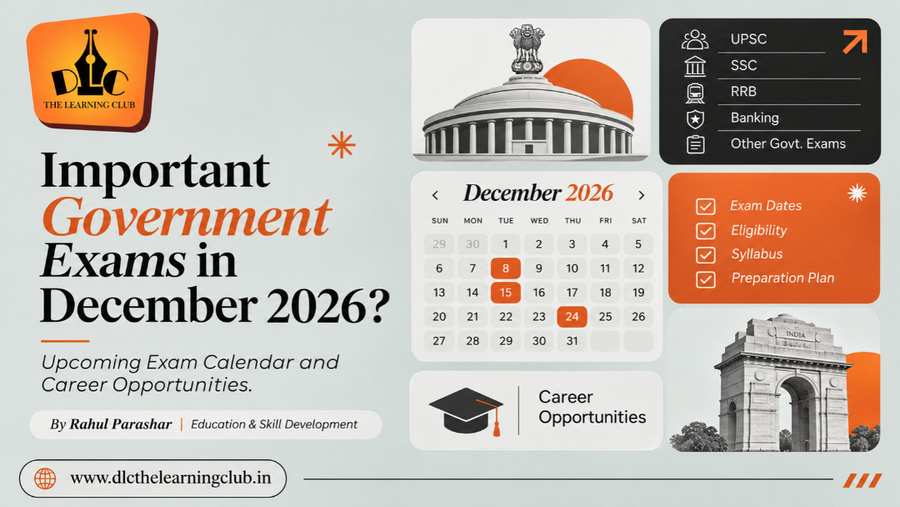
Important government exams in December 2026, featuring UPSC, SSC, RRB and banking exams, exam calendar and career opportunities.

Upcoming Exam Calendar and  Career Opportunities.

By Ayush | Education & Skill Development

December 2026 is going to be an important month for millions of government job aspirants across India. Several major recruitment and eligibility examinations are scheduled, offering opportunities in banking, teaching, research, administration and other professional fields.

For students preparing for government jobs, the coming weeks are crucial. While some candidates are revising their syllabi, others are preparing for preliminary examinations, mains examinations and the next stages of recruitment.

Here is a list of important examinations scheduled for December 2026.

1. Important Government Examinations in December 2026
IBPS RRB examination graphic for government exams in December 2026
Examination Conducting authority Scheduled date
IBPS RRB Office Assistant (Clerk) Prelims IBPS 6, 12 & 13 December
CTET December Session CBSE 12–13 December
UPSC SO / Stenographer LDCE UPSC From 12 December; two-day examination
UGC NET December Session NTA 14–18 & 21 December
IBPS RRB Officer Scale I Mains IBPS 20 December
IBPS RRB Officer Scale II & III IBPS 20 December
IBPS Customer Service Associate Mains IBPS 27 December
SSC CHSL Tier-I SSC 30 November–31 December (proposed window)

Important: The IBPS calendar is tentative and candidates should verify their individual examination dates through their call letters. SSC CHSL’s December examination window is proposed, with the exact schedule to be confirmed by SSC. The UPSC SO/Stenographer LDCE is a restricted departmental examination, not an open recruitment examination for all graduates.

Official examination websites:

2. 6. What Happens After You Clear the Government Examination?

This is where many aspirants make a mistake.

They prepare for years to clear an examination but do not think sufficiently about the skills required after selection.

Let’s understand what happens next in some important career pathways.

A. After Clearing IBPS Banking Examinations
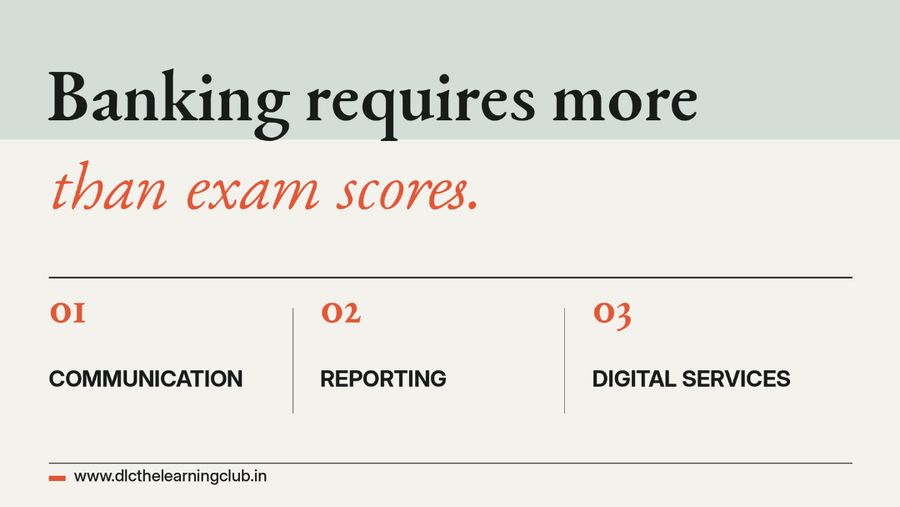
Banking careers require professional communication and skills beyond examination scores

Candidates who qualify through the prescribed selection process may receive provisional allotment to participating banks, followed by document verification and other joining formalities.

A banking professional needs to interact with customers, understand financial products, explain procedures, prepare correspondence and handle digital banking services.

English can be particularly useful when dealing with official circulars, banking terminology, reports and professional communication.

B. After Qualifying CTET

CTET qualification makes candidates eligible to be considered for teaching appointments in accordance with applicable recruitment rules.

It does not automatically guarantee a government teaching job.

Teachers need to develop subject knowledge, classroom communication, lesson planning and the ability to explain concepts effectively.

English proficiency can also help teachers access educational resources and modern teaching material.

C. After Qualifying UGC NET

Depending on the result category and applicable rules, candidates may become eligible for:

  • Assistant Professor recruitment.
  • Junior Research Fellowship (JRF).
  • PhD admission under applicable eligibility provisions.

For an academic or research career, reading research papers, understanding academic terminology, preparing research proposals and writing publications can require substantial English proficiency.

D. After Clearing Other Government Recruitment Examinations
UPSC and SSC government examination and public administration career pathways

Whether someone joins a ministry, public-sector organisation, bank, administrative office or government institution, professional responsibilities often include:

  • Reading official communications.
  • Preparing reports and presentations.
  • Drafting emails and letters.
  • Understanding technical documents.
  • Participating in meetings.
  • Communicating with different stakeholders.

The examination may secure the opportunity, but professional skills help individuals grow within their careers.

3. What Does Research Tell Us Skills in India?

Study 1: Mercer | Mettl – India’s Graduate Skill Index 2025

According to the Mercer | Mettl India Graduate Skill Index 2025, based on its 2024 assessment data:

  • Communication skills employability stood at 55.1%.
  • Critical-thinking skills employability stood at 54.6%.
  • Leadership skills employability stood at 54.2%.

The report also assessed more than one million students across over 2,700 campuses.

These findings highlight the importance of communication and other soft skills in professional readiness.

However, these figures measure assessed graduate employability skills, not English examination pass rates or the performance of Hindi-medium students specifically.

Study 2: ASER Rural Report 2024

The Annual Status of Education Report (ASER) 2024 assessed foundational learning among children aged 5–16 across rural India.

One of its findings showed that 48.7% of rural students enrolled in Standard V could read a Standard II-level text in their assessment language.

This is an important reminder that foundational reading ability itself needs attention.

ASER’s reading figures are not an English proficiency survey. They should not be interpreted as evidence that a particular percentage of students cannot read English.

What should we learn from these studies?

The findings point towards a larger educational challenge: students need stronger foundations in reading, comprehension, critical thinking and communication.

English language development should therefore become a part of long-term academic and career preparation, not something students begin studying only a few weeks before an examination.

Author – Ayush

1 comment
0 FacebookTwitterPinterestEmail
Student SSC aur bank exam ke liye English grammar aur vocabulary ki practice karta hua

Intro: English ka darr kab tak?

Sach batao, kya aapko bhi English section dekhte hi tension hoti hai? Tum akele nahi ho. SSC, Bank, Railway ya koi bhisarkari exam me kai students Maths aur Reasoning me majboot hote hain lekin English me ruk jaate hain.

Achhi khabar yeh hai ki English koi rocket science nahi hai. Thodi si samajhdari se planning aur roj practice se koi bhi student isme achha score kar sakta hai. Is article me hum bilkul saral Hinglish me samjhenge ki kaise aap English competitive exams me score kar sakte hain step by step bina kisi jhanjhat ke rules ke.

1. Sabse pehle exam pattern samjho.

Padhna shuru karne se pehle yeh jaanna zaroori hai ki aapke exam me English me kya-kya puchha jaata hai. Har exam ka pattern thoda alag hota hai. Zyada tar exams me yeh topics hain:

• Error spotting aur sentence improvement

• Fill in the blanks aur cloze test

• Synonyms, antonyms idioms aur phrases

• One word substitution

• Reading comprehension

• Para jumbles aur sentence rearrangement

Pichhle 5 saal ke papers uthao aur dekho ki kis topic se kitne sawal aaye. Jis topic se zyada sawal aaye, usko zyada samay do. Yeh chhoti si cheez aapki preparation ko 2 guna tez bana degi.

2. Grammar ki buniyad pakki karo.

Grammar English section ki jaan hai. Agar basics clear hain to error spotting fill in the blanks aur sentence correction ke questions aap asaani se solve kar sakte hain. In topics ko pehle priority do:

• Tenses: Present, Past Future ke saare forms

• Subject-Verb Agreement: Singular subject ke saath singular verb

• Articles: a an the ka sahi use

• Prepositions: in, on, at, by with ke patterns

• Narration aur Voice: Direct-Indirect aur Active-Passive

Ek simple tip: Rules ko yaad karne ki bajaye unhe examples ke saath samjho. Jaise 'He go to school' galat hai kyunki subject 'He' singular hai, isliye 'He goes to school' sahi hai. Ek rule, 5 examples aur wo hamesha ke liye yaad. Ek achhi grammar book se padho aur har topic ke baad 20-25 questions practice karo. Bina practice ke grammar kabhi pakki nahi hoti.

3. Vocabulary ko roj ki aadat banao.

Vocabulary ek raat me nahi banti, lekin roj thoda thoda karke bahut majboot ho jaati hai. Synonyms, antonyms, idioms aur one word substitution me marks lene ke liye yeh sabse jaruri hai. Yeh tareeke try karo:

• Roz 8-10 naye words seekho, usse zyada nahi

Har word ka meaning, ek synonym, ek antonym aur ek sentence likho

• Words ko flashcards ya notebook me save karo

• Har weekend purane words ka revision karo

• Idioms ko story ya situation ke saath yaad karo

Example ke liye, ek achha word hai 'meticulous jiska matlab hai bahut dhyaan se aur chhoti chhoti baaton ka khayal rakhkar kaam karne wala. Jaise: 'She is meticulous, about her notes.' Aise hi har roz ek naya word apni zindagi ke sentence me use karoge to wo kabhi nahi bhoolega.

4. Reading ki aadat se comprehension ko majboot banao.

Reading Comprehension me log sabse zyada samay waste karte hain. Iska hal hai roj padhna.

• Roz The Hindu ya Indian Express ka editorial padho

• Shuru me 10-15 minute se shuru karo, phir badhao

• Unknown words ko underline karo aur unka meaning pata karo

• Padhne ke baad 2 line me summary likho

Exam me passage solve karte waqt pehle questions padh lo phir passage. Isse aapko pata hoga ki kya dhundhna hai, aur samay bachega. Answer hamesha passage ke andar se hi lo, apni marzi ya knowledge se nahi.

5. Cloze Test, Error Spotting aur Para Jumbles ke shortcuts. Cloze Test:

Pehle poora passage ek baar padho taaki main idea samajh aaye. Phir blanks bharo. Grammar aur context dono ko dhyaan me rakho. Error Spotting: Sentence ko parts me tod ke har part me subject verb aur tense check karo. Zyada tar errors verb form, preposition ya article me hote hain. Para Jumbles: Pehle opening sentence dhundho, jo kisi topic ko introduce karta ho. Phir connectors jaise ‘however’ ‘therefore’ ‘this ko dekhkar sequence banao. Yeh tricks tabhi kaam karti hain jab aap inhe roj practice karte ho. Isliye har type ke 5-10 questions solve karo.

6. Mock tests aur analysis ko serious lo.

Bahut se students mock test hain par analysis nahi karte. Yahin sabse badi galti hoti hai.

• In a week take least 2‑3 full mock tests.

• After each test write the reason for every answer: whether the concept was wrong you rushed or you did not know the word meaning.

• Create a “mistake notebook”. Revise it every week.

• Practice with a timer so you get used to exam‑like pressure.

Jo galti ek baar notebook me likh li, wo exam me dobara repeat hone ke chances bahut kam ho jaate hain.

7. Time management: English me 15‑20 minute ka plan

section aksar sabse kam time me nipta kar sabse zyada marks dene wala section ban sakta hai. Bas aapko order sahi rakhna hai.

• First tackle the questions that’re straight and quick: synonyms, antonyms, idioms, one‑word substitutions.

• Then go to grammar questions.

• At the end do Reading Comprehension and Para Jumbles.

• If a question takes than 40‑50 seconds mark it and move on.

8. Ek daily routine (1.5 se 2 ghante)

Time

Time What To Do ?
30 min Grammer ka Ek Topic + Practice Questions
20 min Naye 8-10 Words
25 min Editorial Reading ya ek Passage
25 min Error spotting , cloze test ya para Jumbles practice
10 min Mistake Notebook Update

Is ko 60‑90 din tak follow karo. Aapko khud apne score me farak dikhega.


9. Common galtiyan jo score gira deti hain

• Sirf rules ratna aur practice, na karna.

• Ek saath bahut saare words ek din me yaad karne ki koshish.

• Mock tests ko bina analysis ke dena.

• English ko last me chhod dena.

• Confidence ki kami, yeh sochna ki “mujhse English nahi hogi”.

Yaad rakho, English ek skill hai, talent nahi. Jaise cycle chalana practice se aata hai, waise hi English bhi practice se aati hai.

Conclusion

Ab aap jaan gaye honge ki how to score high in competitive exams ka asli raaz koi magic trick nahi, balki sahi strategy + daily practice + patience hai. Pehle pattern samjho, grammar aur vocabulary strong karo, roz padho tests do aur apni galtiyon se seekho.

Aaj hi se chhoti shuruaat karo. Sirf 1 ghanta roz, aur 2‑3 mahine baad wahi English section aapka sabse strong section ban sakta hai. Best of luck aap kar sakte ho!

Aapka sabse mushkil English topic kaun sa hai? Comment me zaroor batao hum us par agla article likhenge.

0 comment
0 FacebookTwitterPinterestEmail
Bhopal ke MP Nagar mein IELTS fees ke baare mein jaankari lete hue students

Abroad padhai ya job ka sapna dekh rahe ho, aur ab Google par “IELTS fees in MP Nagar Bhopal” search kar rahe ho? Aap akele nahi ho. Har saal Bhopal ke hazaron students yahi sawal poochte hain: “Bhai, total kitna kharcha aayega?”

Problem yeh hai ki internet par alag-alag jagah alag-alag number milte hain. Koi sirf exam fee batata hai, koi coaching ki fees. Is article mein hum dono ko saaf-saaf alag karke samjhayenge, taaki aapko pata ho ki jeb se actually kitna paisa jayega.

 Sabse pehle ek baat clear kar lein: IELTS mein do tarah ki fees hoti hain

Zyada tar students yahin confuse ho jaate hain.

1. Exam fee: Yeh woh fee hai jo aap IDP ko dete ho, test dene ke liye. Yeh poore India mein fixed hai.
2. *Coaching fee:* Yeh woh fee hai jo aap institute ko dete ho, preparation ke liye. Yeh institute ke hisaab se badalti hai.

Matlab MP Nagar mein ho ya Delhi mein, exam fee same rahegi. Farq sirf coaching ki fees mein aata hai.

 IELTS exam fee 2026: kitni hai?

IDP India ne fee badha di hai. IELTS exam fee India mein 1 April 2026 se ₹19,000 ho gayi hai. Pehle yeh ₹18,000 thi. Jinhone 31 March 2026 se pehle registration kar liya tha, unhein purani fee hi deni padi, chahe test date baad ki ho.

Ab sabse zaroori baat: IDP poore India mein ek hi standard price rakhta hai, sabhi states, cities aur test centres ke liye. Yaani Bhopal ke MP Nagar se registration karo ya kisi aur shehar se, exam fee ₹19,000 hi rahegi. Agar koi aapse “MP Nagar special rate” ke naam par zyada paise maange, to savdhaan ho jaiye.

Ek aur cheez: UKVI jaise special tests (UK visa ke liye) ki fees alag hoti hai. Agar aapko UK visa ke liye IELTS chahiye, to registration se pehle IDP ki official website par uski current fee zaroor check kar lein.

 Exam fee ke alawa kaunse extra charges lag sakte hain?

Bahut se students sirf ₹19,000 sochkar budget banate hain, phir baad mein jhatka lagta hai. In charges ke baare mein pehle se jaan lo:

– Date reschedule karna:Agar aapko test date badalni pade, to alag fee lagti hai.
– Cancellation: Test se 14 din se zyada pehle cancel karne par 75% refund milta hai. Isse kam time mein refund aur ghat jaata hai.
– Rechecking (EOR):Agar score aapki umeed se kam aaya aur aap dobara check karwana chahte ho, to rechecking fee ₹13,500 hai.
– Extra score reports (TRF): Agar aap bahut saari universities ko apply kar rahe ho, to ek certain limit ke baad extra copies ke liye paise lagte hain.

Isliye sabse smart tareeka yeh hai ki jab tak aap taiyaar na ho, tab tak date book mat karo.

 MP Nagar Bhopal mein IELTS coaching fees kitni hoti hai?

Ab aate hain us sawal par jiske liye aap yeh article padh rahe ho. Sach yeh hai ki MP Nagar mein IELTS coaching fees ka koi ek fixed number nahi hai. Yeh in cheezon par depend karti hai:

– Batch type: Group batch sasta padta hai, one-to-one ya small batch mehnga.
– Course duration: 4 hafte, 8 hafte ya 12 hafte, jitna lamba course, utni zyada fee.
– Mock tests: Kuch institutes mein mock tests fee mein hi included hote hain, kuch jagah alag se charge hote hain.
– Study material: Books aur practice sets kahin free milte hain, kahin alag se kharidne padte hain.
– Faculty ka experience: Jo trainer khud IELTS ke patterns aur examiner ki soch samajhta hai, uski fee thodi zyada ho sakti hai, par result bhi usi hisaab se milta hai.
– Speaking practice ka time: Kai baar speaking ke liye extra sessions ki zaroorat padti hai.

Isliye kisi bhi institute se baat karte waqt yeh seedha poochiye: “Is fee mein kya-kya included hai?” Kaafi baar “kam fee” ke peeche study material aur mock tests ka extra kharcha chhupa hota hai.

 Total budget ka simple formula

Apna kharcha ek jagah likhkar dekho:

Total Kharcha = IELTS Exam Fee (₹19,000) + Coaching Fee + Study Material + Mock Tests (agar alag ho) + Retake ka buffer

Retake ka buffer isliye ki bahut se students ko pehli baar mein target band nahi milta. Agar aap pehle se thoda extra paisa side rakhoge, to tension kam hogi. Aur agar coaching achhi mil gayi, to shayad us buffer ki zaroorat hi na pade.

 IELTS registration kaise karein? (Simple steps)

1. IDP India ki official website par jaakar account banao.
2. Apna test type chuno: Academic ya General Training.
3. Computer-delivered ya paper-based, jo available ho, wo format select karo.
4. Apne nearest test centre aur date ki availability dekho. Bhopal ke centres aur slots check karke hi plan banao.
5. Apna valid passport upload karo. Passport ka naam aur test ka naam bilkul same hona chahiye.
6. Fee online pay karo aur confirmation email save karke rakho.

Yaad rakho, registration ke waqt passport ki details mein koi bhi galti baad mein badi pareshani ban sakti hai.

 Paise bachane ke 5 smart tips

1. Pehle apna level check karo. Agar aapki English pehle se achhi hai, to lamba aur mehnga course lene ki zaroorat nahi.
2. Date soch-samajhkar book karo. Jab tak mock tests mein target band consistently na aaye, tab tak test mat do.
3. Demo class zaroor lo. Fee dene se pehle teaching style dekh lo.
4. Hidden charges poochh lo.  Material, mocks aur doubt sessions ke baare mein pehle hi clear ho jao.
5. Speaking par daily practice karo.* Ghar par roz 15-20 minute bolne ki aadat sabse sasta aur effective tareeka hai.

 MP Nagar mein coaching kyun sahi rehti hai?

MP Nagar Bhopal ka ek bada education aur coaching hub hai. Yahan aapko alag-alag exams ke liye institutes mil jaate hain, transport easy hai, aur kai students ek hi area mein padhte hain, jisse practice partner milna asaan ho jaata hai. Speaking test ki taiyaari mein yeh kaafi kaam aata hai.

Agar aap English ki strong foundation ke saath IELTS ki taiyaari karna chahte ho, to DLC The Learning Club bhi ek option ho sakta hai. Yeh Bhopal ka English coaching institute hai, jo apne Vocabmetry method aur 14 saal se zyada ke experience ke liye jaana jaata hai. Vocabulary strong ho to Reading aur Writing dono mein fayda milta hai. Fees aur batch ki details ke liye aap seedha unse baat kar sakte ho: *0755-4903008 /8962390283, Kailash Darshan Complex, Maharana Pratap Nagar, Bhopal.

Aksar poochhe jaane wale sawal (FAQs)

Kya Bhopal mein IELTS exam fee alag hoti hai ?
Nahi. Exam fee poore India mein same hai, ₹19,000.

Kya Academic aur General Training ki fee alag hai ?
Dono ki fee same hai.

Kya coaching lena zaroori hai ?
Zaroori nahi, par agar aap pehli baar de rahe ho ya writing aur speaking mein kamzor ho, to guidance se time aur paisa dono bach sakte hain.

Kitne time mein IELTS ki taiyaari ho jaati hai ?
Yeh aapke current level par depend karta hai. Aam taur par 1 se 3 mahine ki consistent practice kaafi hoti hai.

Last mein

IELTS fees in MP Nagar Bhopal ko samajhna mushkil nahi hai, bas yeh yaad rakhiye: exam fee fixed hai (₹19,000), aur coaching fee aapke chune hue institute par depend karti hai. Sahi planning, demo class aur honest sawal poochne se aap kaafi paisa bacha sakte ho.

Toh aaj hi apna target band score likho, 2-3 institutes ki demo class attend karo, aur phir soch-samajhkar decision lo. Aapki mehnat aur sahi guidance, dono mil gaye, to score zaroor aayega. All the best!

0 comment
0 FacebookTwitterPinterestEmail
CLAT English section ka topic-wise breakdown chart

Kal ek student ne mujhse poocha, “Ma’am, CLAT mein English itni tough kyun lagti hai?” Maine kaha, “Tough nahi hai, bas sahi direction chahiye.” Toh aaj wahi saari baatein yahan likh rahi hoon, bilkul waise jaise hum do log baith ke baat kar rahe hon.

CLAT mein English ka section kaisa hota hai?

Simple hai. English section mein lagbhag 28 se 32 questions aate hain, kul 120 mein se. Sab questions passage-based hote hain. Matlab ek lamba passage milega aur uske neeche 5 ya 6 sawaal. Har sahi answer pe 1 mark milta hai aur galat pe 0.25 minus hota hai.

Pehle toh bata, passage kis type ke aate hain?

Zyadatar passages newspaper editorials, books ke excerpts, aur magazines se liye jaate hain. Topics current affairs, society, law, philosophy ya literature ke ho sakte hain. Isliye sirf textbook padhne se kaam nahi chalega. Roz ka akhbaar padhna padega.

Kaunse question types sabse zyada pooche jaate hain?

Ye 4 type ke sawaal baar baar aate hain:

  1. Main idea: Passage ka central point kya hai.
  2. Inference: Author ne seedha nahi bola, par kya matlab nikalta hai.
  3. Vocabulary in context: Ek word ka passage ke hisaab se kya matlab hai.
  4. Tone aur attitude: Author support kar raha hai, criticize kar raha hai ya neutral hai.

Grammar ke seedhe questions ab kam aate hain. Par agar grammar kamzor hai toh passage hi samajh nahi aayega.

Basic level pe hoon, shuruaat kahan se karun?

Yahan sabse zyada log ghabra jaate hain. Ghabrao mat. Pehle 30 din ye karo:

  • Roz 1 editorial padho, jaise The Hindu ya Indian Express ka.
  • Jo word samajh na aaye, ek notebook mein likho.
  • Basic grammar revise karo: tenses, subject-verb agreement, prepositions.
  • Roz ek chhota passage solve karo, bina timer ke.

Speed ki chinta baad mein. Pehle samajhna seekho.

Vocabulary kaise badhayein? Rattne se kaam hoga?

Seedha jawab: nahi. Rattne wale words 2 din mein bhool jaate hain. Sahi tareeka ye hai ki word ko sentence mein use karo, uske synonyms aur antonyms saath mein seekho, aur roz purane words revise karo.

DLC mein hum Vocabmetry method se yahi karate hain, jahan word ko uski root se samjhaya jaata hai. Ek root samajh liya toh us se bane 10 words khud samajh aane lagte hain.

Reading comprehension mein time bahut lagta hai, kya karun?

Ye sabka sawaal hai! Ek simple trick try karo. Pehle questions padho, phir passage. Isse tumhe pata hota hai kya dhoondhna hai. Aur passage padhte waqt har paragraph ke baad ek line mein khud ko batao ki isme kya bola gaya. Ye habit 2 hafte mein ban jaati hai.

Time ka target rakho: ek passage ke liye 7 se 8 minute.

Kya mock tests dena zaroori hai?

Haan, bilkul. Par ek galti mat karna. Sirf test dena kaafi nahi hai, uska analysis karna zyada zaroori hai. Har galat answer ke baad dekho ki galti kahan hui: word nahi pata tha, passage galat samjha, ya jaldbazi mein option choose kiya. Ye note karne se tumhari kamzori saaf dikhne lagti hai.

Hafte mein kam se kam 2 full-length mocks do.

Advance level pe kaise pahunchein?

Jab basic strong ho jaye, tab ye steps follow karo:

  • Philosophy aur law-related passages padho, kyunki CLAT mein inka weight zyada hota hai.
  • Tricky options pe dhyan do. CLAT mein 2 options aksar bahut similar hote hain, aur sahi wala wahi hota hai jo passage ke sabse close ho.
  • Apni mistakes ki ek alag copy banao aur har 15 din mein revise karo.
  • Previous year papers solve karo, kam se kam last 5 saal ke.

Ek din ka study plan kaisa hona chahiye?

Agar English ke liye 2 ghante nikaal sakte ho, toh aise baant lo:

  • 30 minute: editorial reading
  • 30 minute: vocabulary revision
  • 45 minute: 2 passages solve karna
  • 15 minute: mistakes review

Simple hai, par 3 mahine consistently karoge toh farak khud dikhega.

Sabse common galtiyan kaunsi hoti hain?

Bahut se students outside knowledge use karke answer de dete hain. Yaad rakho, CLAT mein answer sirf passage se aata hai, tumhari apni raay se nahi. Doosri galti hai ek hi din mein bahut saare words rattna. Teesri hai bina analysis ke mock tests dete rehna.

Last mein ek baat

English koi pahad nahi hai. Thoda roz, sahi tareeke se karoge toh CLAT ka English section tumhara sabse strong section ban sakta hai. Agar tumhe guidance chahiye, toh DLC The Learning Club, MP Nagar Zone 2 , Bhopal mein humare experts tumhari help ke liye hain. Call karo: 0755-4903008 / 8962390283.

0 comment
0 FacebookTwitterPinterestEmail
English speaking institute in Bhopal

English Speaking Institute with a Practical Approach: Learn to Speak, Not Just to Study

You have studied English for years. You can read a newspaper, solve a grammar exercise, and even write a decent email. Yet the moment someone asks you to introduce yourself in an interview or a meeting, the words simply vanish. Sound familiar?

If it does, the problem is not your intelligence. The problem is the method. This is exactly where an English speaking institute with a practical approach makes the difference. Instead of treating English as a subject to be memorised, it treats English as a skill to be used, every single day, in real situations.

Why So Many People Understand English but Cannot Speak It

Most of us learn English the way we learn history: facts, rules, and definitions, followed by an exam. We know what a past perfect tense is, but we have rarely been asked to use it in a live conversation.

Speaking is a different muscle altogether. It needs three things that a textbook cannot give you:

Speaking time: You must actually open your mouth and talk, again and again.
Instant feedback: Someone must gently correct your mistakes while the sentence is still fresh in your mind.
A safe space: Fear of judgement is the biggest barrier. When you are afraid of mistakes, you stay silent, and silence never improves anyone’s English.

A classroom that ignores these three things may teach you about English, but it will not teach you English.

What “Practical” Really Means in an English Class

The word “practical” is used by many institutes, but it should mean something specific. Here is what a truly practical English speaking course looks like.

Speaking happens in every session

You should not spend a whole hour listening to a lecture. In a practical class, a large part of the time goes to conversations, role plays, group discussions, and short presentations.

Real-life situations, not imaginary dialogues

Ordering at a restaurant, speaking to a bank officer, answering “Tell me about yourself,” or explaining your idea to a colleague. These are the situations you actually face, so these are the situations you should practise.

Small batches and personal attention

When fifty students sit in one room, shy learners disappear in the back row. Small batches allow the teacher to notice your pronunciation, your sentence structure, and your hesitation, and then fix them one by one.

Mistakes are treated as stepping stones

A good teacher does not laugh at errors or make you feel small. Every mistake becomes a lesson, and every lesson builds courage.

Progress you can measure

Weekly speaking tasks, regular mock interviews, and honest feedback show you how far you have come. Confidence grows when you can see your own improvement.

Modern English Coaching: Spoken English Close to Your Home

Knowing what to look for is half the battle. The other half is finding a place that is easy to reach, because consistency matters more than intensity in language learning. A class you can attend regularly will always beat a better class that is too far to travel to.

Modern English Coaching brings this practical style of learning to learners across Bhopal, with convenient locations in MP Nagar, Indrapuri, and Ashoka Garden. Whether you are a college student preparing for placements, a working professional who freezes during presentations, a homemaker who wants to speak confidently with your children’s teachers, or a job seeker getting ready for interviews, you will find a batch that suits your level and your schedule.

The focus is simple: get you speaking from the very first week. Through guided conversations, everyday speaking drills, pronunciation practice, and confidence-building activities, learners slowly move from “I know the answer but cannot say it” to “I can say it clearly and comfortably.”

If you live or work near MP Nagar, Indrapuri, or Ashoka Garden, you do not need to cross the city every day to improve your English. The classroom is already close to you.

Vocabulary Is the Fuel of Fluency

Here is a truth many learners discover late: you can know all the grammar rules in the world and still struggle to speak, simply because you do not have the right words at the right moment.

A limited vocabulary makes you repeat the same simple words, such as “good,” “nice,” and “very,” again and again. A strong vocabulary lets you say exactly what you mean. Instead of “He is very good,” you can say “He is remarkably dependable.” Your speech instantly sounds sharper and more confident.

This is where DLC (The Learning Club) plays an important role. Located in MP Nagar Zone 2, Bhopal, DLC is a well-known name for vocabulary building. Its signature Vocabmetry method is designed to help learners remember words, understand how they are used, and apply them naturally in speech and writing, rather than just cramming meanings the night before a test.

A smart way to learn is to combine both strengths. Practise speaking in a practical, conversation-driven class, and strengthen your word power with focused vocabulary training. Speaking gives you fluency, and vocabulary gives that fluency depth. Together, they make your English complete.

How to Choose the Right English Speaking Institute ?

Before you join any institute, visit the centre and ask these questions:

How much of the class time is actually spent on speaking?
How many students are there in one batch?
Will I get a demo class or a free counselling session?
Is there regular feedback on my progress?
Is the location convenient enough for me to attend regularly?
Does the course include vocabulary, pronunciation, and interview or presentation practice?

If the answers are clear and honest, you are probably in the right place. If the replies are vague, keep looking.

A Simple Daily Routine to Speed Up Your Progress

Even the best institute needs your effort outside the classroom. Try this easy routine:

Speak aloud for 10 minutes every day, even if it is only to yourself in front of a mirror.
Learn 3 to 5 new words daily and use each one in a sentence of your own.
Listen to English through podcasts, news, or interviews while travelling.
Think in English for small tasks, like planning your day or describing what you see around you.
Record yourself once a week and listen carefully. It feels awkward at first, but it is one of the fastest ways to improve.

Small habits, repeated daily, create big results within a few months.

Your English Journey Can Start Today

Speaking English confidently is not a talent reserved for a few lucky people. It is a skill, and like any skill, it grows with the right guidance, regular practice, and a supportive environment.

If you are in Bhopal and ready to move beyond textbook English, visit Modern English Coaching at MP Nagar, Indrapuri, or Ashoka Garden for practical spoken English training, and explore DLC at MP Nagar Zone 2 to build a powerful vocabulary. Book a demo class, meet the teachers, and take your first step toward speaking English without fear.

Because the best time to start speaking is not “someday.” It is today.

0 comment
0 FacebookTwitterPinterestEmail
RRB Section Controller exam city slip 2026 CEN 03/2026 railway platform

Railway mein Section Controller banne ka sapna dekhne wale candidates ke liye badi update hai. Railway Recruitment Board (RRB) ne CEN 03/2026 ki exam city slip 2 October 2026 ko jaari kar di hai. Is bharti mein 119 Section Controller posts bhari jaani hain, aur computer based test 12 aur 13 October 2026 ko hoga. Agar aapne form bhara tha, to ab sabse pehla kaam hai slip download karke dekhna ki aapka exam kis shehar mein, kis din aur kis shift mein hai. Is article mein simple bhasha mein samjhaya hai ki slip kaise nikalni hai, usme kya check karna hai aur exam se pehle kya taiyari rakhni hai.

RRB City Slip Kya Hoti Hai?

City slip ko city intimation slip bhi kehte hain. Ye RRB ki taraf se pehli official soochna hoti hai, jisme bataya jata hai ki aapko exam dene kis shehar jaana hai. Isse candidates ko travel, train ticket aur rukne ka intezaam pehle se karne ka time mil jata hai.

Ek baat dhyan se samajh lein: city slip admit card nahi hai. Isme sirf shehar, date aur shift ki jaankari hoti hai. Exam centre ka poora address aur entry ke liye zaroori e-call letter baad mein aata hai.

Important Dates Ek Nazar Mein
Detail Jaankari
Bharti ka naam RRB Section Controller
CEN number 03/2026
Total posts 119
City slip release 2 October 2026
CBT exam date 12 aur 13 October 2026
Admit card (expected) Exam se 4 din pehle, yaani lagbhag 8 October 2026

Admit card ki date abhi expected hai. RRB jo notice jaari kare, wahi final maanein.

City Slip Kaise Download Karein?

Process aasan hai. Bas apni registration details tayyar rakhein.

Apne RRB ki official website kholein, yaani wahi region jahan se aapne apply kiya tha.
Homepage par “CEN 03/2026 Section Controller Exam City and Date Intimation” jaisa link dhundhein. Ye aam taur par Latest Updates ya Notice Board mein dikhta hai.
Link par click karein.
Download Link 
Apna registration number daalein.
Password ya date of birth daalein. Jo option screen par maanga jaye, wahi bharein.
Submit karte hi slip screen par khul jayegi.
Slip ko PDF mein save karein aur ek printout bhi nikal lein.

Dhyan rahe, kai fake sites bhi ghoom rahi hain jo link dene ka dawa karti hain. Hamesha RRB ki official website se hi slip nikalein aur kisi ko apna password na batayein.

City Slip Mein Kaun Si Details Hoti Hain?

Slip download karte hi in cheezon ko dhyan se padhein:

Candidate ka naam aur registration number
Exam ki date
Shift ka time
Exam city ka naam
Zaroori instructions

Agar naam, date of birth ya category mein koi galti dikhe, to ise ignore na karein. Turant apne RRB ki helpline ya official notice mein diye gaye tarike se sampark karein.

City Slip Aur Admit Card Mein Kya Fark Hai?

Bahut se candidates dono ko ek hi cheez samajh lete hain, aur yahin se pareshani shuru hoti hai.

City slip: Exam se lagbhag 10 din pehle aati hai. Isme shehar, date aur shift hoti hai. Ye sirf planning ke liye hai.

Admit card (E-Call Letter): Exam se lagbhag 4 din pehle aata hai. Isme exam centre ka poora pata, reporting time, photo aur instructions hote hain. Exam hall mein entry isi se milti hai.

Matlab, sirf city slip lekar exam centre par pahunchne se kaam nahi chalega. Admit card ka printout aur ek valid photo ID saath rakhna zaroori hoga.

Slip Na Khule To Kya Karein?

Slip jaari hone ke pehle kuch ghanton mein website par bahut zyada traffic hota hai. Isliye link slow ho sakta hai ya khulta hi nahi. Aise mein:

Thodi der baad dobara try karein, khaas kar raat ya subah ke time.
Browser ka cache clear karein ya doosra browser use karein.
Mobile data ki jagah WiFi try karein, ya ulta.
Agar password yaad nahi hai, to “Forgot Password” ka option use karein.
Apne hi region ki RRB website kholein. Doosre region ki site par aapka record nahi dikhega.

Ghabrane ki zaroorat nahi hai, kyunki slip kuch din tak available rehti hai.

Exam City Ko Lekar Kuch Zaroori Baatein

Aam taur par RRB jo city allot karta hai, wo final hoti hai aur use badalna mushkil hota hai. Isliye slip milte hi plan banana shuru kar dein.

Travel pehle book karein: Exam ke dinon mein trains mein bheed badh jati hai. Ticket jaldi book karne se confirm seat milne ke chance behtar rehte hain.
Ek din pehle pahunchein: Agar shehar door hai, to exam se ek din pehle pahunchna samajhdari hai. Naye shehar mein centre dhundhne mein time lag sakta hai.
Rukne ka intezaam: Retiring room, dharamshala ya budget hotel ki booking pehle kar lein.
Centre ki location dekhein: Admit card aate hi centre ka address Maps par check kar lein.

Kuch candidates ko travel authority ya concession jaisi suvidha bhi milti hai. Ye aapki category par nirbhar karta hai, to RRB ke official notice mein iska zikr zaroor dekhein.

Exam Se Pehle Ye Cheezein Check Kar Lein
Admit card ka printout, jab wo jaari ho
Original photo ID, jaisa Aadhaar, voter ID ya PAN
Passport size photo, agar notice mein maangi gayi ho
Ek pen, agar rough work ke liye allowed ho
Paani aur halka khaana, kyunki centre ke andar bahar ki cheezein aam taur par allowed nahi hotin

Reporting time ka dhyan rakhein. Late pahunchne par entry nahi milti, chahe aapne kitni bhi taiyari ki ho.

Aakhri Dinon Ki Taiyari Ke Tips

Ab exam mein bahut kam din bachein hain, to naya topic shuru karne ki jagah purane padhe hue ko pakka karein.

Mock tests do: Roz kam se kam ek full length mock test dein, aur wahi time rakhein jo asli exam mein milega.
Galtiyan note karein: Har mock ke baad dekhein ki kahan galti hui, aur use ek copy mein likh lein.
Speed par kaam karein: Computer based test mein time management sabse bada role nibhata hai.
Revision karein: Short notes aur formulas ko baar baar dekhein.
Neend poori lein: Exam se pehle raat jagna nuksaan karta hai.
Current affairs: Pichhle kuch mahine ki mukhya khabron par ek nazar daal lein.

Aur sabse zaroori, shaant rahein. Itni mehnat ke baad ek chhoti si ghabrahat poore result par asar na daale.

FAQs

Kya RRB Section Controller city slip 2026 jaari ho gayi hai?
Haan, CEN 03/2026 ki city slip 2 October 2026 ko jaari ho chuki hai.

Exam kab hoga?
Computer based test 12 aur 13 October 2026 ko hoga.

Slip kaise download hogi?
Apne RRB ki official website par CEN 03/2026 ka link kholein, registration number aur password ya date of birth se login karein.

Kya city slip se exam mein entry milegi?
Nahi. Entry ke liye admit card aur photo ID zaroori hain.

Admit card kab aayega?
Ye aam taur par exam se 4 din pehle aata hai. Is hisaab se ye lagbhag 8 October ke aaspaas aa sakta hai, par final date RRB ke notice se hi confirm karein.

Kya exam city badal sakti hai?
Aam taur par allot ki gayi city final maani jati hai.

Aakhri Baat

City slip aane ka matlab hai ki ab exam sach mein kareeb hai. Slip download karein, details check karein, travel ka plan banayein aur admit card ka dhyan rakhein. Baaki ka samay revision aur mock tests mein lagayein. Aap sabko exam ke liye bahut shubhkamnayein.

0 comment
0 FacebookTwitterPinterestEmail
MPESB Police SI Subedar 2026 exam preparation English grammar and vocabulary notes

MPESB ne Police Sub-Inspector (SI) aur Subedar ke 507 posts ke liye bharti nikali thi, aur application process 23 September 2026 ko close ho chuka hai. Ab jo bhi candidates ne form bhara hai, unka agla step hai written exam ki taiyari. Aur is exam mein jo section sabse zyada confuse karta hai wo hai English. Isliye aaj hum baat karenge un grammar rules aur vocabulary topics ki jo pichle kai saalon se is tarah ke police exams mein repeat hote aaye hain.

English Section Kyun Important Hai

MP Police SI ke exam pattern mein English ek alag section hota hai, jisme grammar aur vocabulary dono mix hote hain. Ye section short hota hai lekin agar aap basic rules clear rakhte hain, toh yahan se aap easily full marks nikaal sakte hain. Problem tab hoti hai jab students English ko “bahut mushkil subject” samajh kar chhod dete hain, jabki actual mein yahan sirf kuch fixed rules baar-baar repeat hote hain.

Grammar Rules Jo Har Saal Puchhe Jaate Hain

Pichle kai saalon ke pattern ko dekhein toh in topics se questions consistently aate rahe hain:

1. Tenses
Present, past aur future tense ki basic identification. Sentence mein galat tense form pakadna sabse common question type hai.

2. Active aur Passive Voice
Ek sentence ko active se passive banana ya passive se active. Ye topic almost har paper mein 2-3 questions leke aata hai.

3. Direct aur Indirect Narration
Kisi ki baat ko report karna — “He said, ‘I am going'” ko “He said that he was going” mein convert karna. Rules yaad rakhne se ye scoring topic ban jaata hai.

4. Articles (A, An, The)
Chhota topic lagta hai lekin exam mein confusion create karta hai. “A university” vs “an hour” jaise exceptions zaroor practice karein.

5. Prepositions
“In, on, at, by, with” jaise words ka sahi use. Fixed prepositions jo idioms ke saath aate hain (jaise “good at”, “afraid of”) specially puchhe jaate hain.

6. Modals
Can, could, may, might, must, should — inka sahi context mein use karna.

7. Subject-Verb Agreement
Singular subject ke saath singular verb, plural ke saath plural. Simple rule hai lekin tricky sentences mein galti ho jaati hai.

8. Error Detection
Ek sentence diya jaata hai jisme ek part mein grammatical error hoti hai, aur aapko wo part identify karna hota hai. Ye upar diye gaye sabhi rules ko combine karke test karta hai.

Vocabulary Section Ke Common Topics

Grammar ke saath-saath vocabulary bhi bahut important role play karti hai:

1. Synonyms aur Antonyms
Diye gaye word ka same ya opposite meaning wala word choose karna. Daily ek nayi word list banakar practice karein.

2. One Word Substitution
Ek pura phrase jiska matlab ek hi word mein express ho, jaise “a person who studies stars” = Astronomer.

3. Idioms and Phrases
Common idioms jaise “break the ice”, “once in a blue moon” ka matlab poochha jaata hai.

4. Spelling Correction
Galat spell hui words ke beech se sahi word choose karna.

5. Fill in the Blanks
Sentence ke beech mein khaali jagah, jismein sahi word ya grammar form daalna hota hai.

6. Cloze Test
Ek pura paragraph diya jaata hai jisme multiple blanks hote hain, aur aapko context ke hisaab se sahi words select karne hote hain.

Is Saal Kya Sambhavit Hai

Pattern dekhkar ye kaha ja sakta hai ki is baar bhi in hi topics se questions aane ki sambhavna zyada hai:

Voice change aur narration se kam se kam 3-4 questions
Synonyms-antonyms se 4-5 questions
Error detection aur one word substitution se 3-3 questions
Fill in the blanks aur cloze test se ek short passage based set

Kyunki exam pattern MCQ based hai (100 questions, 100 marks, 2 ghante ki duration), isliye speed aur accuracy dono important honge. English section mein time waste na ho, isliye rules ko itna practice karein ki answer dekhte hi yaad aa jaaye.

Taiyari Kaise Karein
Daily 20 minutes sirf grammar rules revise karne ke liye rakhein.
Ek notebook banayein jisme naye words, unke synonyms-antonyms aur meaning likhte jaayein.
Previous year papers solve karein — isse pattern samajh aayega ki actual exam mein questions kis level ke aate hain.
Mock tests dena na bhoolein, kyunki time management yahi se aata hai.

Agar aap in topics ko systematically cover karte hain, toh English section aapke liye scoring bann sakta hai, weak point nahi. Consistency sabse zyada matter karti hai — roz thoda thoda practice, exam ke pass aake last-minute cramming se zyada kaam aata hai.

0 comment
0 FacebookTwitterPinterestEmail
SSC CHSL Recruitment 2026 notification banner showing 2536 vacancies and apply online last date 7 October

Toh finally wo din aa gaya jiska bahut se 12th pass students ko wait tha. SSC ne CHSL 2026 ka notification drop kar diya, aur is baar number bhi kaafi decent hai — 2536 posts. Agar aap bhi confused the ki “form bharu ya nahi”, toh yeh article padhne ke baad confusion clear ho jaayega, promise hai.

Sabse pehle basic baat. Yeh notification 7 September 2026 ko aaya, aur isme LDC, JSA, DEO aur DEO Grade ‘A’ — yeh chaar tarah ki posts cover hoti hain. Sab Central Government departments mein hain, toh salary thodi kam lage bhi toh job security ke aage wo baat gauna lagti hai, honestly.

Ek disclaimer — yeh 2536 ka figure abhi “tentative” hai. Matlab final nahi. SSC baad mein category-wise breakup dega, tab tak thoda patience rakhna padega.

Dates jo phone mein save kar lo abhi

Application window 7 September se shuru hoke 7 October 2026, raat 11 baje band ho jaayegi. Fee bharne ke liye ek din extra milta hai, yaani 8 October tak. Exam kab hoga? Abhi tak confirm nahi, par December ya January tak umeed hai. Ek baat clearly bol du — last date pe form bharne ka plan mat banana. Server slow hota hai, aur SSC extension deta hi nahi, chahe kitni bhi complaint ho jaye.

Eligibility — kya-kya chahiye

Class 12 pass hona zaroori hai, kisi bhi recognised board se. DEO post ke liye kahin-kahin thodi extra qualification maangi jaati hai, isliye PDF ek baar khud padh lena, kisi doosre ke bharose mat rehna.

Age ki baat karein toh 18 se 27 saal ke beech honi chahiye. Reserved category walo ko normal relaxation milega, jaisa har baar hota hai.

Aur haan, Indian citizen hona toh basic requirement hai hi.

Fee kitni lagegi

General, OBC aur EWS candidates ko ₹100 dene honge. SC, ST, PwBD aur Ex-Servicemen — inke liye bilkul free hai, ek rupaya bhi nahi lagega.

Form kaise bharein

Process itna mushkil nahi hai jitna log sochte hain. Website ssc.gov.in pe jaana hai, wahan CHSL 2026 wala link dhoondhna hai — usually homepage pe hi highlighted rehta hai.

Pehli baar registration karna padega — naam, mobile, email daalke. Uske baad login karke poora form bharna hai, education details se lekar address tak sab kuch. Photo aur signature upload karte waqt size aur format ka dhyan zaroor rakhna, kyunki galat format ki wajah se hi zyada tar form reject hote hain — yeh mera personal observation hai, kai logo ko yehi problem hoti hai.

Fee pay karo agar lagti hai, aur submit karne se pehle ek baar sab dobara padh lo. Correction window baad mein khulta hai zaroor, par usme sab kuch change nahi hone dete, toh better hai shuru mein hi sahi bharo.

Selection kaise hoga

Do stages hain. Tier 1 mein objective questions aate hain — Reasoning, English, Maths aur GK, sab CBT mode mein. Tier 2 thoda upar level ka hota hai, isme Essay-Letter writing bhi aata hai aur Applied Maths bhi.

Dono clear karne ke baad Skill Test ya Typing Test hota hai, fir Document Verification, aur last mein medical.

Salary — sabse zaroori sawaal

LDC aur JSA ke liye starting pay roughly ₹19,900 hai (Level 2). DEO thoda better hai, ₹25,500 se start hoti hai (Level 4). Allowances milane ke baad in-hand amount aur achha ho jaata hai — city ke hisaab se bhi farak padta hai, metro cities mein HRA zyada milta hai.

Kuch baatein jo koi nahi batata

Notification PDF poora padhna, sirf headline mat dekhna. Documents pehle se ready rakho — Aadhar, marksheet, photo, signature — last moment pe scan karna dhoondna time waste karta hai. Mobile app se bhi apply ho sakta hai agar laptop available nahi hai.

Toh bottom line kya hai?

Agar aap eligible ho aur sochne mein time nikal rahe ho, toh mat nikalo. 2536 vacancies, sarkari job, decent salary — yeh combo baar-baar nahi milta. 7 October se pehle form bhar dena, baaki sab detail toh upar de hi diya hai.

0 comment
0 FacebookTwitterPinterestEmail
student preparing english vocabulary for bank po exam

How to Improve English for Bank PO Exams

So my friend Ritika gave her SBI PO interview three years ago and called me the night before, basically panicking. She’d cleared prelims and mains fine, Quant and Reasoning were her strong points. But she hadn’t spoken a full sentence in English out loud in like eight months. Not one sentence. Reading, writing, solving papers — all of that she’d done plenty. Speaking, zero. And nobody tells you about that gap until you’re stuck in it.

Most English tips for bank exams stop at grammar, vocab lists, comprehension passages. Fine stuff, but incomplete, because the English section doesn’t end at the exam hall. It follows you into the interview room too.

Reading the newspaper daily — you’ve heard this a hundred times already, I’m not going to add a hundred and first. If it worked for you, you’d be doing it. Most people who struggle with English aren’t struggling because they don’t know what to read, they’re struggling because whatever they pick up feels like homework the second they open it. Read something you’d actually read even without an exam hanging over your head. Football commentary, a celeb interview, honestly even meme captions count. Words stick better when you’re not fighting your own brain the whole time.

Also try reading things twice sometimes. First pass just for the point of it. Second pass, notice how the sentence is actually put together. Sounds like extra work but it takes like two minutes extra and somehow the structure just sinks in without you trying.

Grammar questions in these exams aren’t really testing grammar rules, not directly anyway. Error spotting, sentence correction — they repeat the same five or six traps every single year. Wrong prepositions, tense mismatches in long sentences, subject-verb stuff. Once you’ve seen the traps enough times your eye just catches them, you don’t even consciously remember the rule anymore. When you go through old papers don’t just tick the right answer and move to the next one. Sit for a second on why the wrong ones felt tempting. That habit alone probably taught me more grammar than three years of school ever did, not exaggerating.

Vocabulary — okay this one I have opinions on. Ritika tried the whole “10 new words a day” thing for maybe two weeks before quitting. Told me later none of those words ever came back up in anything she actually said or wrote, so obviously they just disappeared. A word you write down once and never touch again isn’t really learned, it’s just seen. What worked better, for her and a few others I know, was dumber and simpler — new word shows up, use it in a WhatsApp text right away, even if it sounds a bit forced. That’s it. Did more in a month than the list method managed in weeks.

Now the interview part, which is where things usually fall apart. Written English and spoken English aren’t the same skill, not even close. You can write a flawless sentence and still go blank the moment three people are staring at you waiting for you to speak.

Start speaking practice early. Way earlier than feels necessary. Five minutes a day is enough, doesn’t need to be some elaborate routine. Talk to yourself about your day, sounds silly but it works. Talk to a friend about whatever. Record yourself once in a while and play it back — uncomfortable, yeah, but it works. You’re not trying to sound like a news anchor, just trying to speak without those long pauses where you’re mentally translating from Hindi first.

Ritika managed to scrape it together that one panic-night before her interview and got through fine in the end. But she still brings it up sometimes, says she wishes she’d started talking out loud from day one of prep instead of the night before.

Mock tests — a lot of people just check the score and move to the next one. That’s not really improving, that’s just repeating the test. Spend ten minutes after each mock actually looking at where the time went. Comprehension slow? Cloze test messing you up? Fix that specific thing before the next mock instead of redoing the whole paper blind every time.

Couple smaller things too. Watching shows with English subtitles instead of switching them off helps more than people think, picks up vocabulary and listening both at once without it feeling like effort. Writing three or four lines in English every night, like a mini diary, forces you to build sentences instead of just recognizing correct ones in an MCQ. And don’t be scared of sounding off while practicing speaking — people who improve fastest are usually the ones who don’t care about sounding a bit weird in the beginning.

How long does this take. If your base is decent, two-three months of daily effort and the section stops feeling scary. Starting from close to zero, give it four-five months, but daily matters way more than total hours. Five minutes every day beats three hours once a week, that part’s not really debatable.

Is coaching necessary — not strictly, but it saves time. Biggest issue with studying alone is you can’t catch your own mistakes, you just keep repeating them without noticing. Having someone point out what’s wrong, even a study partner, cuts down a lot of wasted effort.

Does the interview need fluent English. No, and people stress about this way more than they should. Panel’s not grading you like an exam paper. They’re checking if you can hold a conversation and think while talking, even if a sentence comes out a little rough. Confidence beats perfect grammar, every time.

0 comment
0 FacebookTwitterPinterestEmail
50 high-frequency vocabulary words for SSC CGL 2026 last-minute revision

Okay so if you’re here right now, your Tier 1 is probably just days away and you’ve got forty tabs open and none of them are really helping, are they. Been there myself, honestly. And no, I’m not going to pretend there’s some magic trick that fixes everything overnight — there isn’t, sorry to break it to you this late.

But here’s what actually helps at this point. You don’t need a thousand random words crammed into your head. SSC just… recycles. Same 200, maybe 300 words, year after year, dressed up slightly differently each time. Same synonyms. Same idioms showing up in question after question. So instead of dumping some massive list on you that you’ll never finish (and let’s be real, you won’t, not this close to the exam), I went through what keeps repeating and kept it small enough that you can actually get through it — tonight, or tomorrow morning over chai before you head to the center.

Quick honesty check, because I think it matters — there’s no official SSC word bank sitting on some government portal somewhere. This is just patterns, pulled from past papers, the same rough method most aspirants and most coaching notes use anyway when they say “these words are important.”

Alright, words. Ameliorate keeps coming back — means to make something better, to improve it. Shown up in 2019, 2021, 2024 papers specifically, so don’t skip it. Impetuous is acting without thinking first, kind of rash, and it’s usually paired against cautious as the antonym — learn both together, saves you time later. Surreptitious sounds fancier than it is, just means done secretly, sneakily. Comes up a lot in synonym-matching type questions. And diligent — hardworking, careful — is genuinely one of the most repeated words across the last decade of papers. If you remember nothing else from this list, remember that one.

A few more that circle back constantly: hostile (unfriendly, aggressive — opposite of friendly), ambiguous (unclear, can mean more than one thing — opposite clear), benevolent (kind, generous, often set against “malevolent”), cautious (careful, avoids risk — opposite reckless), fragile (easily broken, shows up as both synonym and antonym so don’t get caught off guard there).

Then the more everyday ones — abundant (plenty, opposite scarce), eager (keen, opposite reluctant), generous (gives freely, opposite stingy), meticulous (very careful and precise, been showing up more in recent years actually), frugal (careful with money), candid (honest, direct), obsolete (outdated), lucid (clear, easy to follow), arrogant (too proud, opposite humble), reluctant (unwilling, opposite eager), austere (strict, plain, no frills).

You probably half know some of these already, if I’m honest. Seen them in a mock test somewhere, or some random reel at 1am you scrolled past without really absorbing. That’s fine — half-knowing is still something. Point right now isn’t learning fresh, it’s making sure panic on the day doesn’t wipe out what’s already sitting somewhere in your head.

Idioms next — and these are the ones people know perfectly well sitting at home, then completely blank on the second the timer starts, every single time. “Burn the midnight oil” — working late into the night (a little too relevant right now, no?). “A blessing in disguise” — something that seemed bad but turned out fine. “Bite the bullet” — facing something tough, head on. “Cut corners” — doing something cheap or careless. “Once in a blue moon” — rarely, barely ever. “Beat around the bush” — avoiding the actual point. “At the eleventh hour” — last possible moment, which, fittingly, might be exactly when you’re reading this.

Say a couple of these out loud, actually. Sounds a bit silly typing that out but it does work better than just staring at the page.

Last part, one-word substitutions — the ones that trip people up specifically because the phrase sounds so normal you forget there’s a single word for it. Someone who loves books, that’s a bibliophile. Fear of heights — acrophobia. Someone who won’t stop talking — garrulous. Handwriting nobody can read — illegible. Someone never satisfied no matter what — insatiable. A place birds are kept — aviary.

So, tonight — what do you actually do with all this. Don’t just read it once and shut the tab, that barely does anything. Cover up the meanings, try pulling them from memory yourself first, getting it half right from recall sticks better than reading passively ever does. Say a few out loud in some made-up sentence, doesn’t need to make sense, it’s really just about retrieval practice. Go through the idioms twice at least, since those are what people blank on hardest under pressure. And anything that still feels shaky — mark it, star it, whatever, just don’t lose it in the pile — and revisit only those specific ones tomorrow morning instead of redoing everything from scratch.

You don’t need all 50 sitting perfectly in your head. Even 30 solid ones can shift a mark, maybe two, and in an exam this crowded, that’s really not nothing.

Good luck with it. And once you’re done reading this — go get some actual sleep, seriously.

0 comment
0 FacebookTwitterPinterestEmail
Newer Posts

Speed Dictionary


Speed Dictionary Offer!

Improve your vocabulary using our powerful Speed Learning Method.

Original Price
₹2000
Offer Price
₹1195

Buy Now - Rs.1195/-


✔ Free Home Delivery    ✔ 24/7 Support

This will close in 70 seconds