
I’ve lost count of how many times a student has told me some version of this — “Maths I can handle, reasoning too, but English? That’s where I lose everything.” And every time I hear it, I think… yeah, that’s basically most of us.
If you’re prepping for SSC, bank, or railway exams in Bhopal right now, you probably know this feeling already. You sit down, everything’s going fine, and then the English section shows up and suddenly you’re re-reading the same paragraph three times because nothing’s sticking.
Here’s the thing nobody really tells you — we didn’t learn English growing up, we memorized it. Rules, word lists, grammar charts. So when an exam throws something unfamiliar at you, like a tricky comprehension passage, your brain just kind of shuts the door.
I’m not going to hand you another generic “5 tips to improve English” list here. Let’s actually talk about what helps.
Where the Problem Really Sits
Honestly? It’s rarely about not knowing English. It’s the panic. The second the clock starts, something in your head goes “oh no” and even stuff you know well starts feeling shaky.
A comprehension passage takes forever to get through, and by the time you finish reading it once, half your time’s gone. Synonyms and antonyms get jumbled because they were crammed as a list rather than actually understood in context. And if there’s an interview round waiting at the end — that’s a whole different kind of nervous, because talking and writing use completely different muscles.
Sound familiar? It’s fixable. It just needs the right kind of practice, not more of the same thing you’ve already tried.
What Actually Useful Coaching Looks Like
Not all English classes are the same, and that’s worth saying out loud. A lot of them teach general spoken English — great for casual conversation, not so great when you’re staring at an error-spotting question in an exam hall.
What tends to actually move the needle: grammar rules that keep repeating in real exam papers (not the whole textbook, just the parts that matter), vocabulary built around what’s actually asked — one-word substitutions, idioms, and so on — plus practice reading faster without losing the meaning, because time really is the enemy here. And mock tests. Not once in a while, but regularly, so the real exam doesn’t feel like a surprise.
What DLC The Learning Club Brings to the Table
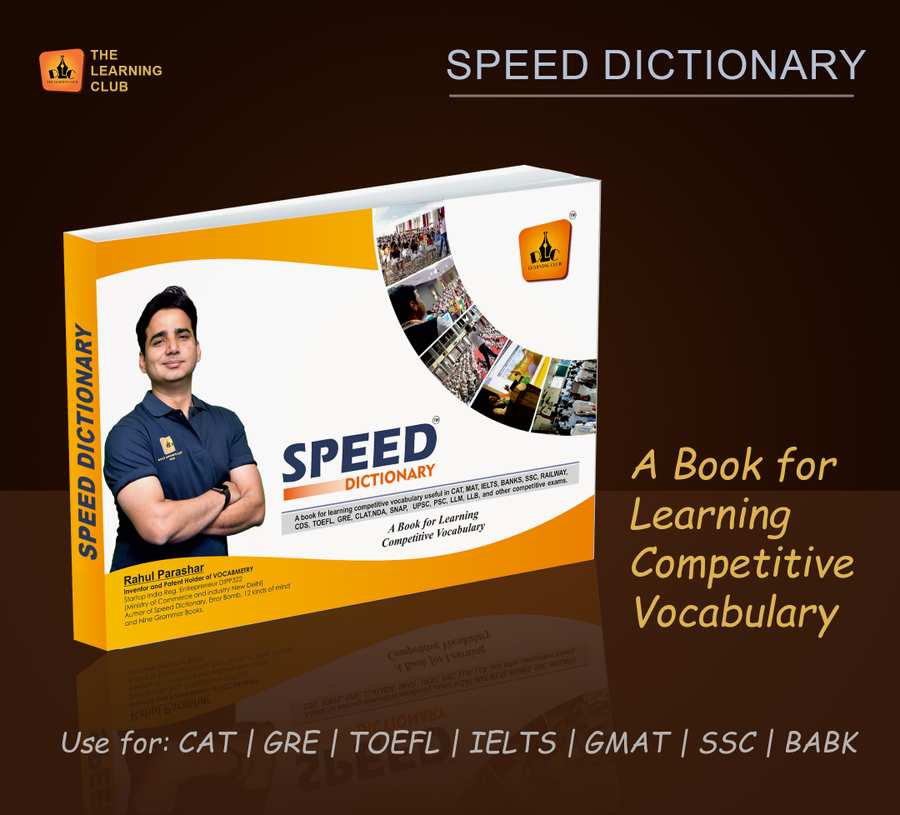
DLC’s been around in Maharana Pratap Nagar for 14 years now, and somewhere along the way, 500+ students walked out with a selection thanks to their prep. They’ve built something called the Vocabmetry method — basically a structured, step-by-step way of building grammar and vocabulary instead of just winging it class after class.
You don’t have to commit blind either — there’s a free demo class first, and a sample test to see exactly where you’re starting from. The full course runs 6 months and covers grammar, vocabulary, comprehension, and spoken English together. Batches stay small too, so your doubts don’t get buried under twenty other hands raised at once.
Before You Sign Up Anywhere — Ask These
Is there a demo class, or are you expected to just trust and pay? Is the coaching actually exam-focused, or is it mostly general spoken English with an exam label slapped on? Do they test your progress along the way, or does it just… continue indefinitely? And realistically, can you get there regularly without it becoming a chore — because half-attended classes rarely help anyone.
One Last Thing
English isn’t going to fix itself in a week, and honestly, be a little suspicious of anyone who promises that. But with consistent, exam-focused practice, that one section that’s been quietly costing you marks can turn into the one that actually pulls your score up.
If this year’s exam is the one you’re serious about, a free demo class costs you nothing but an hour — might as well see what it’s like.
Contact DLC The Learning Club: Kailash Darshan Complex, Maharana Pratap Nagar, Bhopal 0755-4903008 / 8989780888 dlcthelearningclub.in